

Parents’ Guide: What to Do If Your Child Discloses Sexual Abuse in Pennsylvania or New Jersey
If you are reading this because your child just told you they were sexually abused, you’re carrying one of the heaviest moments a parent can face. You do not have to handle it alone. What you do in the next hours and days can help protect your child’s body, their emotional health, and their legal rights.
This guide is written for parents and caregivers in Pennsylvania and New Jersey. It offers practical, trauma‑informed steps and points you toward trusted medical, counseling, financial, and legal resources.
“If your child is in immediate danger or needs urgent medical care, call 911 or go to the nearest emergency room right now.”
Step 1: Take a breath and believe your child
Children very rarely lie about sexual abuse. The safest assumption—and the one that protects your child—is to believe them.
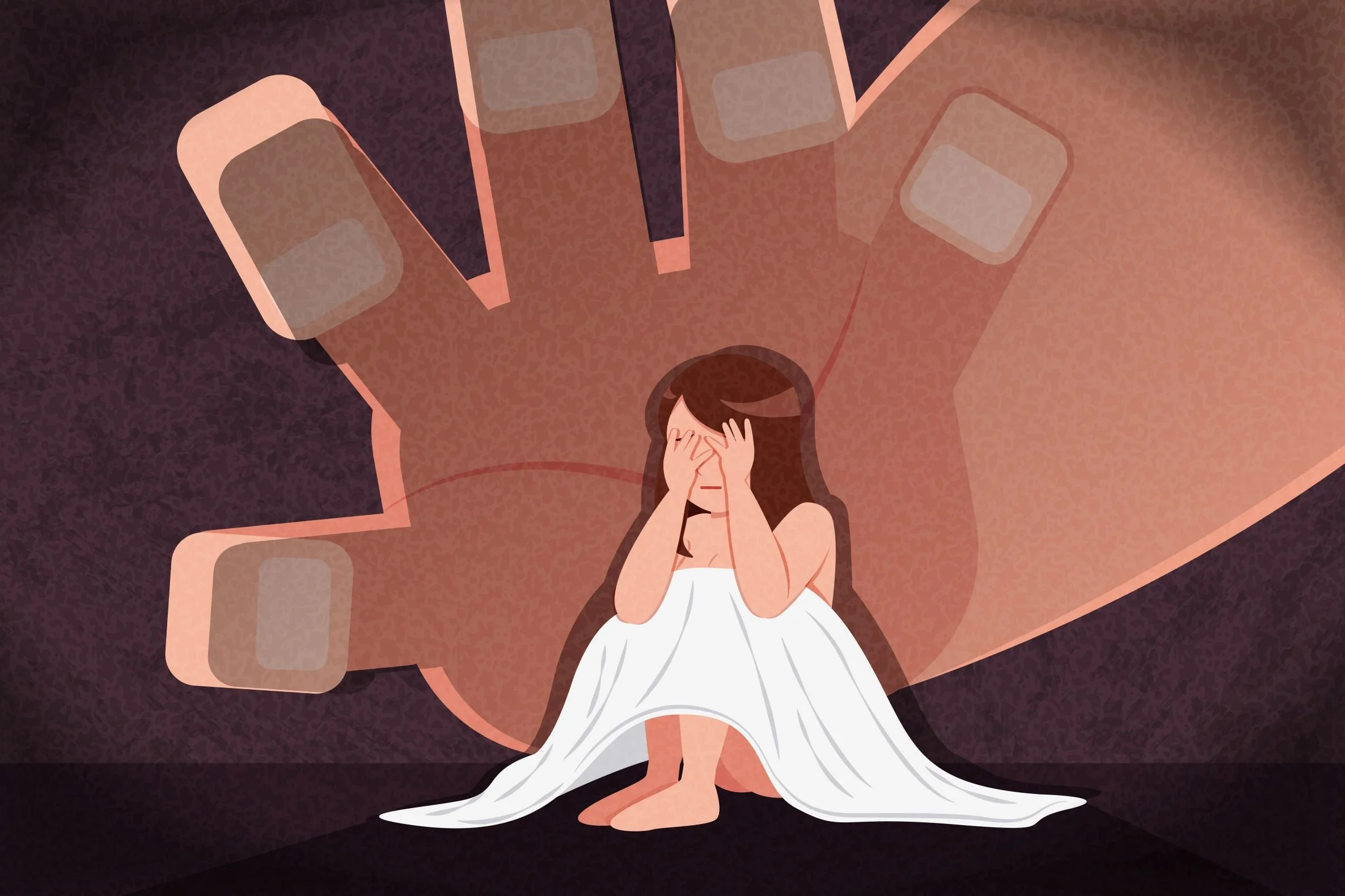
In this moment, your job is not to investigate. Your job is to be the safest person in the room.
You might say:
“Thank you for telling me. I’m so glad you told me.”
“What happened is not your fault.”
“You are not in trouble. My job is to keep you safe.”
Try to keep your voice as calm as you can. Your child will be watching your face and body language more than your words. It is okay if you feel shocked, angry, or sick inside. You can process those emotions later with another adult or a counselor—right now, your child needs steady reassurance.
Avoid:
Asking “why didn’t you tell me sooner?”
Blaming questions like “what were you doing there?”
Pushing for graphic details (“exactly what did they do?”)
Those questions can feel like blame and can also complicate later investigations.
Step 2: Make sure your child is safe right now
Next, focus on immediate safety:
If the person who hurt your child still has access to them (for example, at school, church, a youth program, a relative’s home, or extracurricular activity), your first priority is to create distance.
Do not send your child back into that environment until you’ve spoken with professionals about a safety plan.
That can mean:
Keeping your child home from a specific school, practice, or program temporarily
Ensuring your child is never alone with the alleged abuser
Arranging safe childcare or supervision while you sort out next steps
Try not to confront the alleged abuser in front of your child or ask your child to sit in the same room while you confront them. That can be frightening and may make your child feel responsible for adult reactions.
If you are worried about retaliation or escalating danger, talk with law enforcement, a child advocacy center, or a national hotline (listed below) about how to plan this safely.
Step 3: Arrange medical care and, if appropriate, a forensic exam
Even if your child looks physically “fine,” medical care is still important:
A clinician can check for injuries, infections, or pregnancy risk (depending on age and what happened).
Medical professionals can document findings in a way that may help in a criminal case or future legal claim.
Being seen in a child‑friendly setting can reassure your child that their body matters and that adults are taking this seriously.
In Pennsylvania and New Jersey, there are specialized programs and Children’s Advocacy Centers (CACs) that coordinate medical exams and forensic interviews for abused children. CACs provide child‑focused spaces where trained teams (medical providers, law enforcement, child protection, therapists) work together so children don’t have to retell their story over and over.
You can:
Ask your pediatrician, local hospital, or police about the nearest Children’s Advocacy Center.
In Pennsylvania, statewide CAC information is available through the Children’s Advocacy Centers of Pennsylvania network.
In New Jersey, you can locate local CACs through the New Jersey Children’s Alliance “Find My CAC” tool.
If the abuse occurred very recently, professionals may discuss a forensic exam, which is designed to be as gentle and child‑centered as possible. You can ask what will happen in language your child can understand and reassure them they can say if something hurts or feels scary.
Step 4: Get emotional support for your child—and for you
Sexual abuse is not just a physical injury; it is an emotional and psychological one.
Many children benefit from trauma‑focused therapy, especially with a clinician experienced in child sexual abuse. That might include:
Trauma‑focused cognitive behavioral therapy (TF‑CBT)
Play therapy for younger children
Family therapy to help everyone the abuse has affected
In both Pennsylvania and New Jersey, Children’s Advocacy Centers and local rape crisis centers often provide or coordinate counseling for children and caregivers. [NSVRC]
You also deserve support:
Parents commonly experience shock, rage, grief, guilt (“how did I miss this?”), and confusion.
A therapist, support group, or faith/community leader can help you manage those emotions in a way that doesn’t place additional weight on your child.
As hard as it is, try not to use your child as your main emotional support. They need you in the “adult” role.

Step 5: Report the abuse
Reporting can feel overwhelming, but it is an important step in protecting your child and other children.
In most situations, you can report to both child‑protective services and law enforcement:
In Pennsylvania: suspected child abuse can be reported through ChildLine, a 24/7 statewide reporting hotline. [Facebook]
In New Jersey: suspected child abuse can be reported to the State Central Registry, often referred to as the New Jersey child abuse hotline, which is highlighted on state child advocacy center and DCF resources.[2]
Anyone can report suspected child abuse in any state, and these hotlines can help you understand what details to share. [Childcare.gov]
If you are unsure where to begin:
A Children’s Advocacy Center can explain the process.
A hospital social worker can help coordinate reporting.
National hotlines like RAINN and Childhelp (see below) can walk you through the options and safety planning. [RAIIN]
If you are a teacher, healthcare worker, or another type of mandated reporter, your professional reporting obligations still apply even when the child is your own or a family member. If you are unsure about your duty to report, seek legal advice or guidance from your licensing board or employer policies.
Step 6: Understand financial and practical help in Pennsylvania and New Jersey
Many families worry that they cannot afford therapy, medical care, or time off work after a child is abused. Both states have victim compensation programs that may help.
Pennsylvania – Victims Compensation Assistance Program (VCAP)
Pennsylvania’s Victims Compensation Assistance Program (VCAP) can help reimburse certain crime‑related expenses for eligible victims and their families, including: [PA]
Medical and counseling costs not covered by insurance
Loss of earnings or support
Funeral expenses in fatal cases
Relocation, childcare, crime‑scene cleanup, and some other crime‑related costs
Families typically must cooperate with law enforcement and apply within specific time limits, although there are exceptions in some situations.
New Jersey – Victims of Crime Compensation Office (VCCO)
New Jersey’s Victims of Crime Compensation Office (VCCO) can provide up to a capped amount in benefits for eligible victims, including: [NJ]
Medical and mental‑health treatment
Lost wages, loss of support, and emergency relocation
Funeral and burial expenses in homicide cases
Some legal fees and other necessary crime‑related expenses
Like VCAP, the VCCO program has deadlines, documentation requirements, and cooperation expectations.

You can also look up help in your state through the Office for Victims of Crime (OVC) “Help in Your State” resource, which lists compensation and assistance programs nationwide.
Many Children’s Advocacy Centers, rape crisis centers, and hospital victim‑services teams will assist families in applying for these benefits so you are not navigating the paperwork alone.
Step 7: Connect with child advocacy centers and national organizations
You do not have to build your own support network from scratch. There are organizations whose entire mission is to help children and families in exactly this situation.
Children’s Advocacy Centers (CACs)
In Pennsylvania, the Children’s Advocacy Centers of Pennsylvania network connects families with local CACs that coordinate forensic interviews, medical referrals, counseling, and advocacy in a child‑focused setting.
In New Jersey, the New Jersey Children’s Alliance supports CACs statewide and offers a “Find My CAC” tool so families can locate the closest center.
CACs are designed to reduce the number of times a child has to retell their story and to connect caregivers with ongoing support.
National resources
RAINN (Rape, Abuse & Incest National Network) – Operates the National Sexual Assault Hotline (800‑656‑HOPE) and online chat, offering free, confidential support and local referrals 24/7.
Childhelp National Child Abuse Hotline (800‑4‑A‑CHILD / 800‑422‑4453) – Provides 24/7 crisis counseling, information, and referrals for children and adults concerned about child abuse
National Sexual Violence Resource Center (NSVRC) – Offers a directory of local rape crisis centers and sexual‑violence resources. NSVRC
These organizations can help you think through what to do next, how to talk with your child, and where to go locally in Pennsylvania or New Jersey for more help.
Step 8: When to talk with a lawyer
A lawyer does not replace the police, prosecutors, or child‑protective services. Instead, a civil lawyer can help your family:
Understand whether you may have a civil claim against the person who abused your child
Explore whether a school, church, youth program, camp, or other institution failed to protect your child and can be held legally accountable
Protect your child’s privacy and interests when interacting with multiple systems (schools, law enforcement, insurers, institutions)
Seek compensation for therapy, education support, medical care, and other long‑term needs
In serious cases, civil litigation can also push institutions to change their policies and training so other children are safer.
Edelstein Law, a Philadelphia sexual assault and abuse firm, represents survivors and families in Pennsylvania and New Jersey, including claims involving schools, religious organizations, youth sports, and other institutions that failed to protect children.
Youth Sexual Abuse FAQs
-
Answer: No, Children often share abuse in pieces as they feel safer. Waiting can put them—and other children—at continued risk and can make it harder to investigate. If you have a reasonable concern, contact child‑protective services, law enforcement, or a child advocacy center for guidance.
-
Answer: This is extremely common and makes safety planning more complicated, not less important. You can speak confidentially with a child advocacy center, hotline, or lawyer about safety plans, restraining orders, financial‑assistance programs, and victim compensation.
-
Answer: Not every case results in a criminal trial or civil lawsuit. If a case does go forward, courts and advocacy centers often have procedures to reduce trauma for child witnesses. A lawyer can walk you through what that could look like in Pennsylvania or New Jersey and help you weigh options.
Take Action Today—You are not alone
Nothing your child told you is their fault. They needed someone safe to tell, and they chose you. The steps you take now—believing them, protecting their safety, getting medical and emotional care, and exploring your legal options—can help them move forward with support and dignity.
If your child has disclosed sexual abuse in Pennsylvania or New Jersey and you want to understand your legal options, you can contact Edelstein Law for a confidential consultation.
Contact us by phone (215) 893-9311 or through our confidential form submission below.