


Nursing Home Neglect & Abuse Lawyers (PA & NJ)
When a facility fails a vulnerable resident, families deserve accountability and clarity. We build evidence-first civil cases for neglect and abuse—focused, respectful, and trial-ready.
No fee unless we win → Confidential intake → Serving Pennsylvania & New Jersey
Support Note: If you need immediate support for a medical emergency, call 911 immediately.

Protecting dignity. Pursuing accountability.
Families trust long-term care facilities to provide safe, attentive care. When neglect or abuse happens—bedsores, falls, dehydration, medication errors, improper restraints—the harm is often preventable. Our job is to determine:
what happened,
what should have happened under the care plan and standards,
what the documentation shows (or fails to show), and
who is legally responsible—facility staff, management, ownership, or other parties.

Common nursing home cases we evaluate:
-
![Damaged white and gray cars after a collision, with front-end and side damage visible.]()
Pressure Injuries & Bedsores
Often preventable with proper repositioning, skin checks, nutrition, hydration support, and timely wound care.
-
![]()
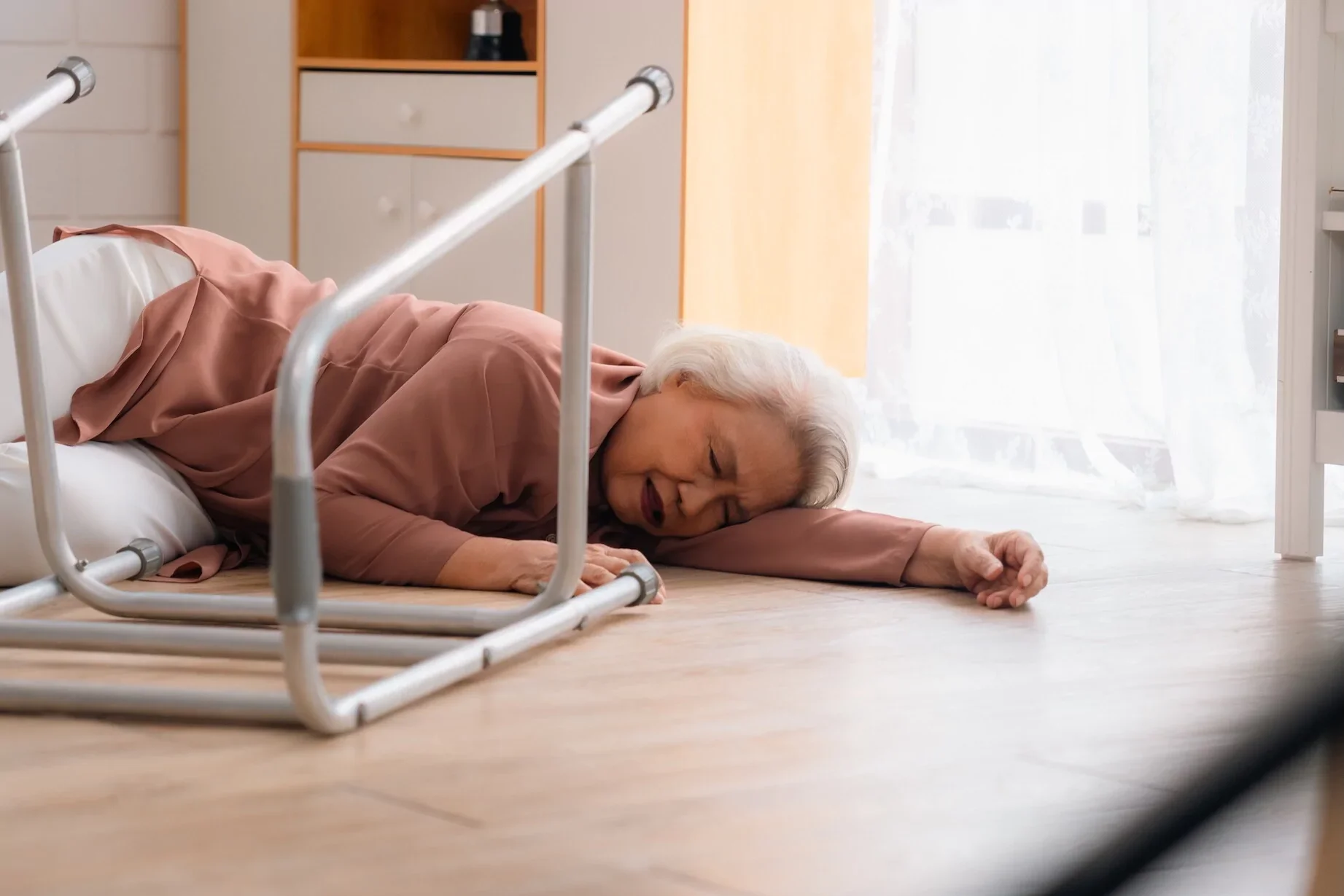
Falls and Fractures
Many falls involve inadequate supervision, ignored fall-risk precautions, unsafe transfers, missing alarms, or environmental hazards.
-
![]()
Medication Errors
Missed doses, wrong medications, dangerous interactions, or failures to monitor for side effects.
-
![An elderly woman in a wheelchair receives medication from a healthcare worker.]()
Abuse & Neglect of Basic Needs
Dehydration, malnutrition, hygiene neglect, and unsafe living conditions—often signals of systemic breakdown.
-
![A close-up of an elderly man's face, with a knitted face covering over his nose and mouth, showing his brown eyes, white eyebrows, and beard.]()
Abuse & Restraints
Physical abuse, improper restraints, rough handling, or neglectful isolation.
-
![A healthcare worker in blue scrubs and a stethoscope holding wooden blocks spelling R.I.P with a cross symbol, representing death or end of life.]()
Wrongful Death
When preventable harm leads to loss of life, we build a disciplined record of preventability, causation, and damages.





What to do right now—a family checklist
If you suspect neglect or abuse, these steps help protect your loved one and preserve evidence:
Photograph injuries and conditions (date-stamped if possible).
Write a timeline (changes in condition, incidents, staff interactions).
Record names (staff, unit, shift, supervisors if known).
Request documentation (incident reports, care plan updates, discharge/transfer paperwork).
Seek medical evaluation if harm is suspected or escalating.
Avoid confrontations that reduce access—stay factual, document everything.
If immediate danger exists, call 911.

Evidence that strengthens a nursing home claim
Nursing home cases are often documentation cases. Key evidence can include:
Care plans and revisions,
Nursing notes, wound logs, and skin assessments,
Medication Administration Records (MAR),
Incident reports and internal escalation notes,
Staffing patterns and supervision documentation,
Weight trends, labs, hydration/nutrition notes,
Hospital transfer records and clinical decline timeline,
Prior complaints and survey history (where available),
Hard truth: Facilities can change records practices after an incident. Early preservation and a clean timeline matter.

Resident rights (federal baseline)
Federal regulations recognize resident rights including dignity, self-determination, and protections related to care and communication. View Here
This matters because “what should have happened” often starts with the resident’s care plan, basic safety expectations, and documented obligations. View Here
Reporting & Consumer Resources (PA & NJ)
If you suspect neglect or abuse, reporting can help protect residents and may preserve documentation.
-
Call: 1 (800) 254-5164
Email: c-ncomplai@pa.gov
Online complaint form available via PA Department of Health— Nursing Homepage
-
Complaint Hotline: 1 (800-792-9770 (24-hour hotline described by NJ Department of Health)
Online complaint submission available on the NJ Department of Health— Complaints Page
-
Phone: 1 (877) 582-6995
Email: ombudsman@ltco.nj.gov
Online complaint form available — Here
-
CMS explains the Five-Star system includes an overall rating and separate ratings for inspections, staffing, and quality measures — View Here
Use it as a starting point—not the final word.
PA vs NJ: Deadlines and Practical Differences
Important: Deadlines are fact-specific. If the incident is recent—or if a public entity is involved—act quickly.
The “real” urgency in nursing home cases is often evidence preservation and resident safety.)
Pennsylvania (general)
Many actions for injury to the person or death caused by negligence must be commenced within two years.
Comparative negligence rules exist generally (less central in nursing home cases, but relevant in civil litigation).
New Jersey (general)
New Jersey provides that actions for injury to the person caused by wrongful act, neglect, or default must generally be commenced within two years after accrual, subject to exceptions.
Comparative negligence rules exist generally
Nursing Home Neglect & Abuse FAQs
-
Unexplained bruising, sudden weight loss, dehydration, pressure injuries, frequent falls, poor hygiene, withdrawal, or fearfulness around specific staff can be warning signs.
-
In some cases, yes. Claims may involve negligent hiring, supervision, retention, staffing, training, or failure to protect—depending on facts and documentation.
-
If you have them: photos, timeline notes, facility communications, incident report information, care plan paperwork, and hospital/medical discharge papers. Don’t worry if it’s incomplete.
-
We handle qualifying cases on contingency—no attorney fee unless we obtain compensation.
Form Guidance:
Recommended form fields (if you want them specific to this page):
Facility name and location
Resident status (current / transferred / deceased)
Date range of concern
Primary issue (bedsores / fall / medication / dehydration / abuse)
Brief description + best time to contact
Upload option for photos/discharge papers


Request a Free, Confidential Case Review:
Tell us what happened and what you’re dealing with now. We’ll respond promptly, explain your options, and outline next steps.
No fee unless we win
Fast Response
Serving Pennsylvania & New Jersey—All Counties
Prefer to call? — Philadelphia (215) 893-9311 • New Jersey(856) 809-3150
Disclaimer: This page provides general information and is not legal advice.