
Pennsylvania and New Jersey Product Liability Lawyers
Edelstein Law evaluates product liability claims involving unsafe designs, manufacturing defects, inadequate warnings, and other failures that cause injury in Pennsylvania and New Jersey. Early preservation of the product, packaging, instructions, purchase records, and failure evidence is critical.
No fee unless we win. Confidential intake. Serving Pennsylvania & New Jersey.
Pennsylvania & New Jersey Defective-Product Advocacy
How Product Liability Claims Prove Defect, Failure, and Injury
Product liability cases are built by identifying the product, documenting how it failed, determining why its design, manufacture, or warnings may have been unsafe, and connecting that failure to the injury. The original product and its condition can be irreplaceable evidence.
Edelstein Law investigates the product's design, manufacture, warnings, distribution, condition, use, failure sequence, and the medical consequences. Manufacturers, component suppliers, distributors, sellers, installers, repairers, and other parties may have different roles that require individual analysis.
Interactive Defect & Product Explorer
Product Liability Cases We Evaluate
Choose a defect theory or product category to see what an initial investigation may examine. Every product, use, warning, alteration, responsible party, injury, and defense requires individual analysis.
Defect or Product Category
Design Defects
A design-defect review asks whether an unsafe feature was built into the product's plan and whether the product reached the user without a material change. Safer alternatives, foreseeable use, technical testing, risk, utility, and expert analysis may matter.
Defect or Product Category
Manufacturing Defects
A manufacturing-defect review compares the specific product with its intended design, specifications, batch, quality-control records, inspection results, components, and exemplars to identify a departure in assembly or production.
Defect or Product Category
Failure to Warn & Inadequate Instructions
Warnings and instructions are evaluated for the risk involved, foreseeable users and uses, clarity, placement, timing, language, adequacy, and whether different information could have changed the conduct that preceded the injury.
Defect or Product Category
Consumer Products
Household devices, furniture, appliances, batteries, children's products, tools, and other everyday goods may require preservation of the product, packaging, manuals, purchase records, and evidence of the failure sequence.
Defect or Product Category
Vehicle Parts & Industrial Machinery
Brakes, tires, restraints, guards, presses, saws, conveyors, and other safety-critical systems often require experts, retained parts, service history, downloads, inspection records, and a careful chain of custody.
Defect or Product Category
Medical Devices & Other Complex Products
A viable civil claim involving a device or other complex product requires product-specific investigation of design, manufacture, labeling, causation, regulatory materials, medical evidence, and applicable defenses.
What To Do After a Product-Related Injury
Protect the person first—and preserve the product before its condition changes.
Do not repair, clean, discard, dismantle, alter, or return a potentially important product until the preservation issues have been evaluated.
Get medical care
Address immediate health and safety needs, report an emergency when appropriate, and preserve the medical record linking symptoms, diagnosis, treatment, and restrictions to the event.
Keep the product as-is
Secure the product and any separated, burned, broken, replaced, or loose parts. Avoid testing or handling that could change the original condition or create another hazard.
Keep everything that came with it
Preserve packaging, warnings, manuals, labels, receipts, warranty documents, inserts, serial numbers, lot numbers, photographs, videos, and seller or manufacturer communications.
Build a factual timeline
Record purchase, installation, prior use, maintenance, repair, warnings reviewed, the failure sequence, witnesses, the product's location, and every post-incident transfer or access.
Do not calculate a filing deadline from this webpage. Accrual, discovery, age, capacity, exposure, product type, defendants, contract terms, and other facts may change the analysis.
Evidence That Strengthens a Product Claim
Technical proof begins with the product, its records, and an unbroken failure timeline.
Keep original material and context. A cropped photograph, typed summary, or replaced part may not answer the questions an engineer, medical expert, manufacturer, insurer, or jury will ask.
The product and every component
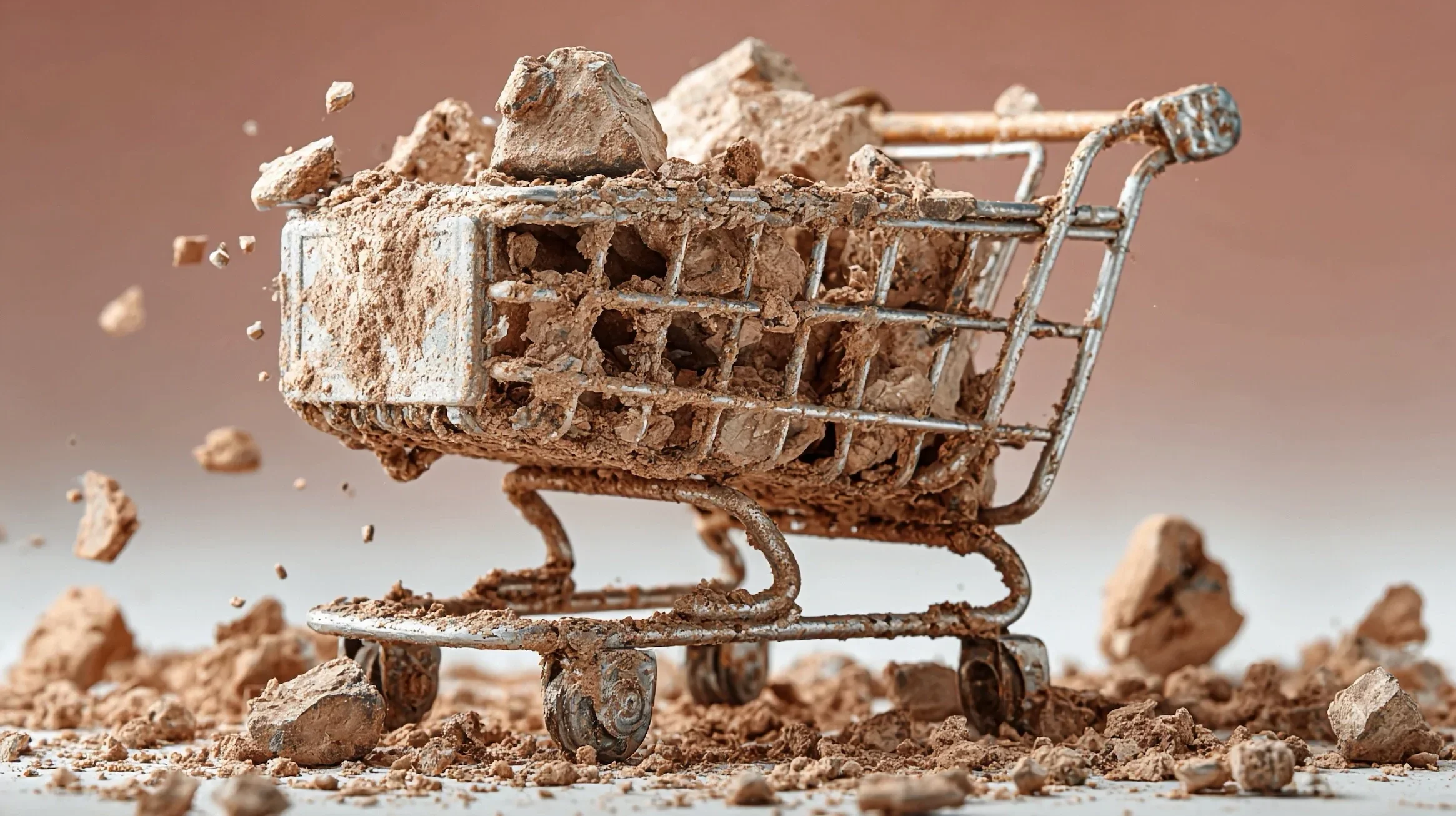
Secure the product, failed part, fragments, attachments, batteries, guards, fasteners, replaced parts, and exemplars without cleaning, testing, disassembly, or repair unless a documented safety need requires action.
Packaging, warnings, instructions, and identifiers
Keep the box, labels, inserts, manuals, safety notices, barcodes, model, serial and lot numbers, manufacture dates, and any version-specific material that identifies what was sold.
Purchase, warranty, service, and repair history
Preserve receipts, orders, registrations, warranty claims, returns, service notes, repair invoices, maintenance records, recall communications, and the identity of each seller, installer, or repairer.
Original photographs, video, and communications
Keep original files and metadata, unedited views of the product and scene, witness information, messages, support tickets, call records, advertisements, product listings, and complete correspondence.
Medical, work, and daily-life documentation
Preserve diagnosis, treatment, restrictions, wage records, expenses, photographs, and a factual chronology connecting the product event to the claimed physical, economic, and functional harm.
Chain of Custody, Damages & Defenses
Track where the product is, who touched it, and what changed—then connect the failure to documented harm.
A simple contemporaneous log can protect the history of the product while the legal and technical investigation develops.
Identify the product
Record the name, model, serial or lot number, purchase date and location, incident date and time, and every retained component.
Log storage and access
Note the date, time, sealed container, storage location, movement, access for photographs, and identity of every person who handled it.
Document every transfer
Record delivery to counsel, an expert, laboratory, insurer, manufacturer, or other custodian, including method, condition, and tracking information.
Medical and economic losses
Document care, treatment, medication, rehabilitation, expenses, lost income, reduced capacity, and supported future needs.
Physical and daily-life effects
Document pain, limitations, scarring, sleep, mobility, activities, relationships, and other non-economic harm under applicable law.
Likely defense arguments
Expect questions about misuse, alteration, wear, maintenance, warnings, product identification, alternate causes, spoliation, and proof connecting the alleged defect to the injury.
Preservation request: identify the product, model, serial or lot number, date, and known custodians; request preservation of design, specifications, quality control, testing, warnings, complaints, warranty or return data, incident history, engineering changes, supplier communications, exemplars, and replaced parts. A tailored attorney request should avoid overstating unknown facts.
Pennsylvania & New Jersey Strategy
The governing product-liability rules differ, but both states demand product-specific proof.
Pennsylvania and New Jersey do not organize every theory, defendant, defense, or deadline in the same way. Expert needs, preservation strategy, and the responsible product chain should be evaluated early.
Pennsylvania
Pennsylvania strict-liability analysis remains shaped by the Supreme Court's Tincher framework, including consumer-expectations and risk-utility concepts in appropriate design-defect cases. The pleaded theory and product facts control.
New Jersey
New Jersey's Product Liability Act organizes claims involving manufacturing deviations, warnings or instructions, and defective design. Manufacturer, seller, product, causation, and statutory defenses require claim-specific analysis.
Timing warning: these linked statutes do not resolve every deadline, tolling issue, exposure claim, minor's claim, warranty issue, or other exception. Obtain prompt claim-specific review.
Product Liability FAQs
Do I need the product to bring a case?
Not always, but a preserved product can materially strengthen defect, failure, and causation analysis. Do not alter, repair, clean, discard, or return it before obtaining claim-specific advice.
Should I return the product to the manufacturer or store?
Returning a product can affect access to critical evidence. Preserve the product, packaging, labels, instructions, receipts, and communications while obtaining prompt advice about the safest next step.
What if the product was repaired after the incident?
A repair does not automatically end an evaluation, but it may complicate proof. Preserve replaced parts, invoices, photographs, communications, and the identity of everyone who handled the product.
Can more than one company be responsible?
Potentially. A review may examine manufacturers, component suppliers, distributors, sellers, installers, repairers, and others in the product chain.
How do fees work?
Edelstein Law handles qualifying injury matters on a contingency-fee basis. The written agreement controls the fee and expenses in an individual matter.
Confidential Product Liability Review
The product can be replaced. The original evidence cannot.
“We build the case from the product, the failure sequence, the responsible chain, and the technical and medical proof connecting defect to harm.”
Attorney advertising. This page provides general information, not legal advice. Prior results do not guarantee a similar outcome. A consultation and conflict check are required to evaluate any particular matter.