

Sent Home From the ER and Got Worse: What Now?
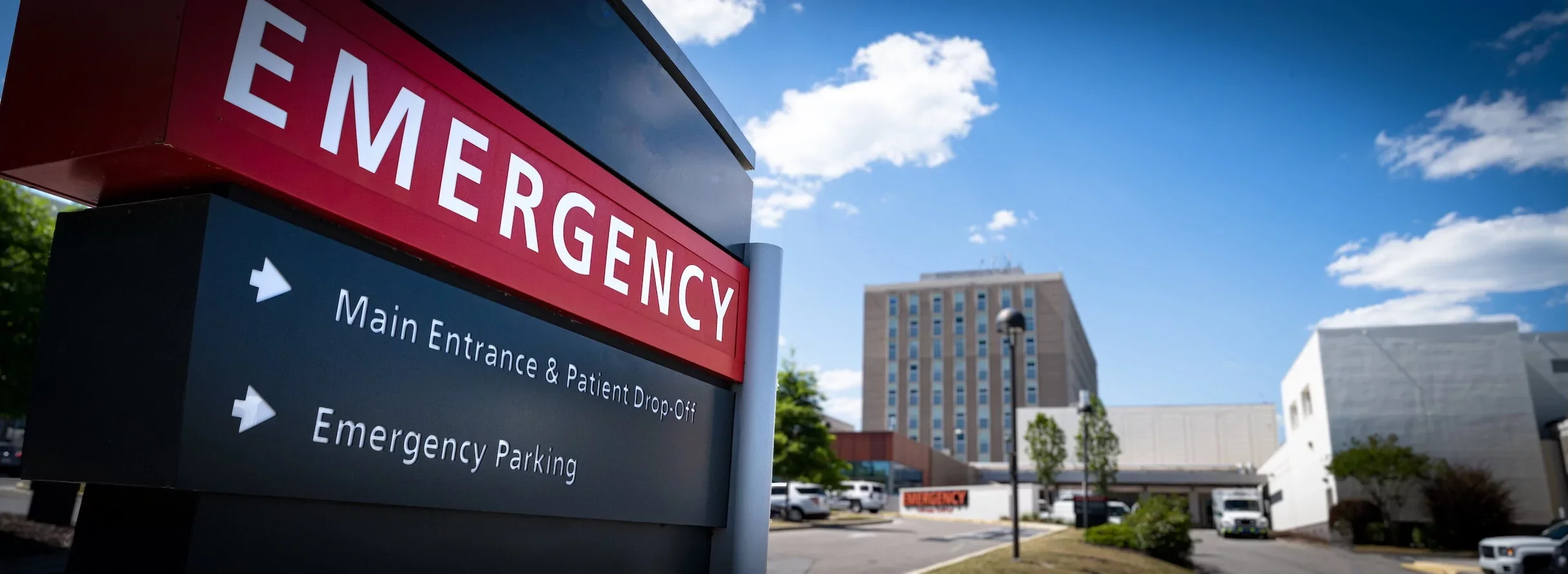
Being discharged from the emergency room does not always mean the danger has passed. In real life, some patients go home, worsen overnight, return by ambulance, and then learn that the real problem was bigger than anyone explained. AHRQ and PSNet both describe diagnostic safety in the emergency department and during care transitions as an ongoing patient-safety challenge, and PSNet notes that many patients leave the ED without fully understanding their diagnosis, expected recovery course, or when they should return for urgent care.
That does not automatically mean malpractice happened. Some conditions evolve. Some symptoms worsen despite appropriate care. But some “we sent you home” cases involve missed warning signs, delayed diagnosis, poor discharge instructions, or failures to act on abnormal tests. For Pennsylvania and New Jersey families, the practical question is not “Do I know for sure this is malpractice?” The practical question is: What should I preserve right now before the story gets harder to prove?
If you want to understand your legal options, Edelstein Law’s Medical Negligence & Malpractice page is the best internal place to start, and the firm’s Contact Information page offers a confidential review for PA and NJ matters.
Red flags after discharge
Not every return to the ER points to negligence. But some post-discharge warning signs deserve immediate medical attention and a careful record review later. Common red flags include rapidly worsening pain, fainting, new weakness, confusion, shortness of breath, worsening headache, fever or signs of infection, inability to keep fluids down, uncontrolled bleeding, or symptoms that directly conflict with the reassurance given at discharge. PSNet’s discharge-safety materials emphasize that many patients misunderstand return precautions and that transitions in care are a known point where serious errors can happen.
From a legal perspective, one of the most important facts is often the timeline:
What symptoms brought the patient to the ER?
What tests were ordered, and what did they show?
What was the discharge diagnosis?
What instructions were given?
How quickly did the patient worsen after going home?
What changed at the second visit or admission?
That timeline often matters more than anyone realizes at intake. PSNet has highlighted research showing discrepancies between emergency-department diagnoses and later hospital diagnoses, reinforcing why post-discharge worsening should not be dismissed just because the patient was initially sent home.
What records to request and preserve
If you suspect the ER missed something, the first job is not to argue with the hospital. The first job is to get the records. HHS states that, with limited exceptions, patients generally have the right to inspect, review, and receive copies of their medical and billing records, and that in most cases they can request copies in the format they want, including electronic delivery.
Request these records as early as possible:
triage note and nursing triage documentation,
ED physician or advanced practitioner notes,
vital sign records,
medication administration record,
discharge instructions and return precautions,
lab results,
imaging reports and, if possible, the actual images,
EKG or monitor strips if relevant,
consult notes if a specialist was contacted
second-visit and readmission records
hospital admission records if the patient was later admitted
billing records, because they help lock down timing and services rendered

You should also preserve your own non-medical evidence:
a written timeline of symptoms and when they worsened
photographs (for visible swelling, infection, bruising, or wound changes)
all discharge paperwork
text messages, portal messages, or voicemails from providers
a medication list showing what was prescribed and when it was taken
The goal is simple: make it easy for a reviewing lawyer or expert to see what the ER knew, what it did, what it said at discharge, and what happened next.
Why timing matters in Pennsylvania and New Jersey
These cases are not just medical; they are procedural. In Pennsylvania, most negligence claims for injury to the person must generally be filed within two years, and professional liability cases also require a Certificate of Merit under Rule 1042.3. In New Jersey, the general personal-injury limitations statute is also typically two years, and many professional-negligence cases require an Affidavit of Merit under N.J.S.A. 2A:53A-27.
That means waiting too long can create two separate problems:
Records and witness memory become harder to reconstruct, and
Legal deadlines may start running before the family realizes how serious the case is.
If the patient died after being discharged and worsening, the case may also involve Wrongful Death issues, which is why that practice area should be linked in this post as well. Edelstein Law’s Wrongful Death page is live and relevant for those scenarios.
The practical takeaway
If someone is sent home from the ER and gets worse, do not assume the discharge was correct just because it happened in a hospital setting. Get the person medically re-evaluated if symptoms are worsening. Then preserve the records, preserve the timeline, and get a legal review before the paper trail gets harder to assemble. AHRQ, PSNet, and HHS all underscore the same broad reality from different angles: emergency diagnosis and discharge communication are vulnerable points in the system, and patients have legal rights to the records needed to evaluate what happened.
For a confidential review of an ER misdiagnosis, delayed diagnosis, or dangerous discharge case in Pennsylvania or New Jersey, use Edelstein Law’s Contact Information page.
Frequently Asked Questions
-
No. Some conditions progress even with appropriate care. The legal question is whether the ER team missed warning signs, failed to follow up on tests, gave inadequate discharge instructions, or otherwise fell below the standard of care.
-
The triage note, ED provider note, nursing notes, vitals, discharge instructions, labs, imaging reports/images, medication record, and any readmission or second-visit records are usually the core set. HHS confirms patients generally have a right to access medical and billing records.
-
Get medical help right away if the symptoms are urgent or escalating. After that, preserve the discharge paperwork, timeline, and medical records. PSNet’s discharge-safety materials emphasize how important clear return precautions are and how often patient understanding breaks down at discharge.
-
These deadlines are fact-specific, but both Pennsylvania and New Jersey generally use a two-year limitations period for many personal-injury claims, and malpractice filings may require early supporting filings such as a Certificate of Merit in PA or an Affidavit of Merit in NJ.
-
Potentially yes. The matter may involve both malpractice and wrongful death/survival issues, which is why a wrongful-death practice page should also be linked and considered early.
Edelstein Law handles medical negligence and wrongful death matters across Pennsylvania and New Jersey.
If you or someone you love was sent home from the ER and then gets worse, do not wait for the hospital to explain the timeline to you. The records, discharge instructions, and follow-up events can shape the entire case — and they are easier to preserve now than later.
Navigation & Practice Areas:
Contact Form: