
Motor Vehicle Practice
Multi-Vehicle Accident Lawyers in Pennsylvania and New Jersey
Crashes involving three or more vehicles can create disputed timelines, multiple insurers, and competing fault arguments. Careful reconstruction and early evidence preservation may be essential.
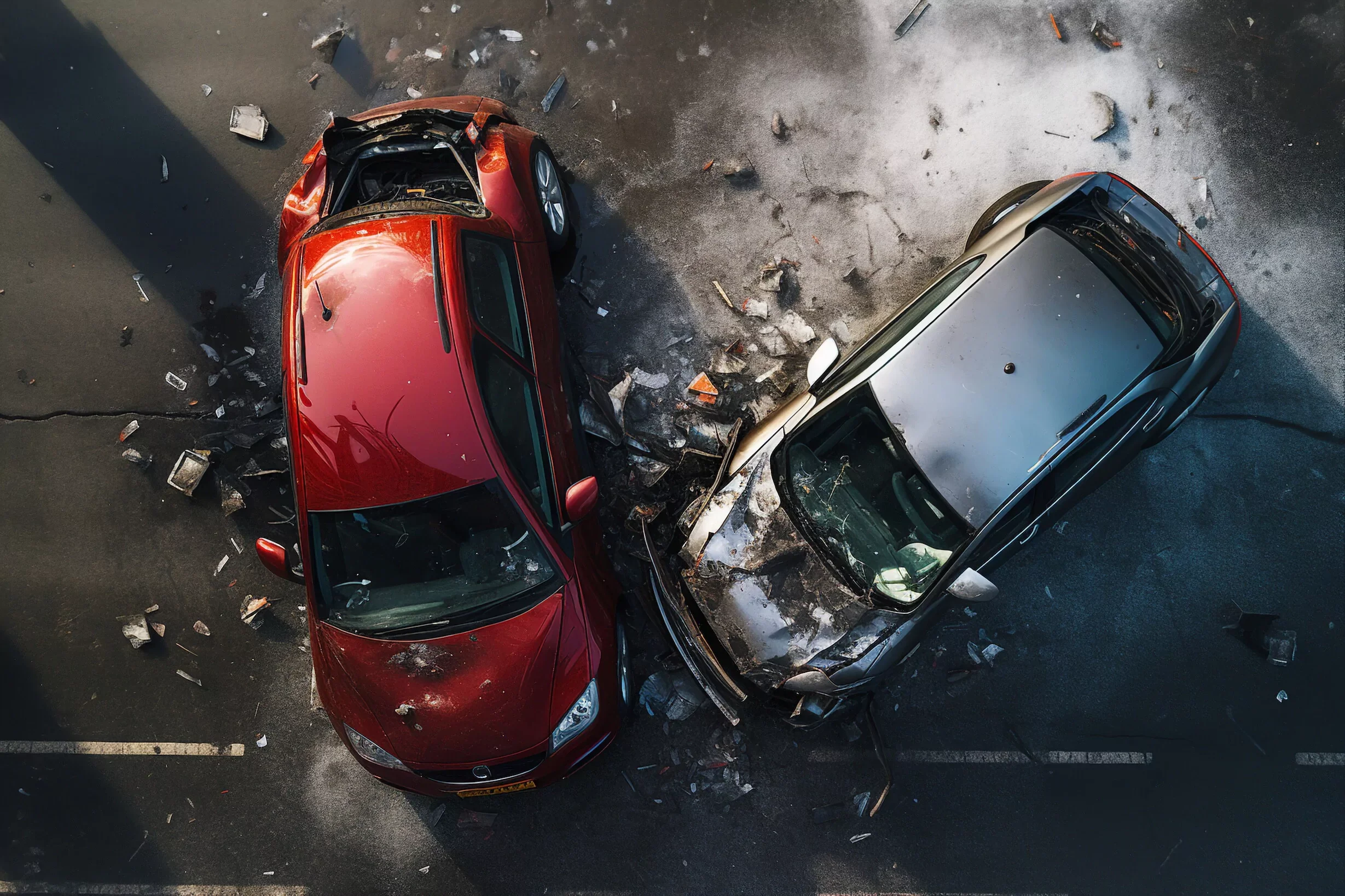
A chain-reaction collision can leave a driver or passenger unsure which impact happened first or which insurer to contact. Edelstein Law reviews multi-vehicle accident injury inquiries in Pennsylvania and New Jersey. Start with what you remember, the treatment you have received, and the information already available to you. You do not need to resolve every disagreement about the crash before asking about a case review.
Reconstruct the sequence, not assumptions
Crashes involving three or more vehicles may involve separate impacts and conflicting accounts. A useful record distinguishes your own observations from information supplied by someone else. Organize:
The sequence: your direction of travel, lane, traffic conditions, and each impact you remember.
The vehicles: identifying details, damage photographs, final positions, and towing information already available to you.
Independent information: the crash-report number, witness contact details, and possible dashcam or nearby-camera sources.
The effects on you: treatment dates, work restrictions, expenses, and changes in daily activities.
Keep original photographs and video without editing them. Note gaps in your recollection rather than filling them in. Vehicle positions or the location of damage alone may not explain the entire sequence or establish responsibility. Do not enter traffic, confront another driver, or access private accounts to collect evidence. If emergency assistance is needed, call 911.
Consider driving and road conditions together
Traffic spacing, braking, visibility, road conditions, and driver conduct can all be relevant to understanding a collision. PennDOT's guidance on managing space explains why drivers need room to react and additional following distance on wet or slippery roads. This safety guidance does not decide fault in a particular crash.
Pennsylvania's safe-speed statute requires attention to actual and potential hazards, including weather and highway conditions. Poor weather should not be treated as an automatic explanation that ends the inquiry. The applicable law and each driver's actions require individual review.
If a truck is involved, our commercial truck accident page explains additional questions about the driver, company, and operating records. Identify possible evidence sources for counsel promptly; an inquiry or preservation request does not guarantee that records can be retained or obtained.
Keep insurance contacts and losses organized
Keep a separate record of each insurer's name, claim number, correspondence, and requests. Bring the policies or coverage documents you have, along with bills and records of income loss. Multiple vehicles do not automatically mean multiple recoveries for the same loss or a larger settlement.
Different insurance coverages serve different purposes. For example, the New Jersey Department of Banking and Insurance's standard-policy overview distinguishes liability, personal injury protection, uninsured/underinsured motorist, and collision coverage. It is a New Jersey overview, not a determination of what your policy covers. Actual policy terms, applicable law, evidence, and the losses involved need review; a general calculator cannot determine a case's settlement value.
Prepare for an individual case review
Use our consultation preparation checklist to organize what you already have. You can request a free case review without first assembling a complete file. For other collision circumstances, explore our motor vehicle accident practice.
Share a brief description in your initial inquiry and ask how to provide sensitive documents securely. This page does not predict responsibility, compensation, or the result of a claim. Contacting the firm does not create an attorney-client relationship or extend a deadline.
Before you contact Edelstein Law
What to do now and what to preserve
You do not need a complete file to ask whether a case should be reviewed. A clear, factual starting point helps our team identify the next questions.
Care and immediate safety
Address urgent medical or safety needs first. Keep the treatment and discharge information you already have. Do not delay care or a legal inquiry while trying to assemble every record.
Each impact and each vehicle
Record the order of impacts as you remember it, each vehicle's position, the report number, and all known witnesses. Preserve photographs and dashcam files that may show the sequence before and after the first collision.
Treatment, expenses, and daily impact
Keep provider names, visit dates, discharge papers, receipts, work restrictions, and wage-loss information. Note symptoms and changes in daily activities accurately; preserve the original records.
Before the first conversation
Have the incident date, location, parties involved, report number if known, and your main questions ready. Identify any video, vehicle, product, or other evidence that may be changed or lost. Ask our team how to provide documents securely.
Preserve original files and distinguish firsthand observations from assumptions. Do not post sensitive case details publicly. This is general information, not individual legal advice.
Planning your first conversation? Use our consultation preparation checklist and Client Resources guide to organize the information you already have and your questions for Edelstein Law.
Common questions
Multi-Vehicle Car Accidents FAQs
Why does the order of impacts matter in a multi-vehicle collision?
Different impacts may involve different movements and evidence. Write down what you felt or saw before, during, and after each impact. Separate your own recollection from what others later told you; do not fill gaps by assuming which vehicle started the chain.
What should I do if witness accounts conflict?
Preserve each account with the witness's contact information and when it was given. Identify video, photographs, and report details that may clarify the sequence. Conflicting descriptions are a reason for further investigation, not a reason to alter your recollection.
Which records help identify all the vehicles involved?
Keep the crash-report number, vehicle and insurer details you have, photographs of damage and final positions, and towing information. Identify missing information rather than guessing. Bring correspondence from any involved insurer so the team can understand the separate contacts and claims.